Specialty Medication Information & Administrative
Coordination for Licensed U.S. Clinics

Clinic-Facing Medication Information and Pharmacy Coordination

Explore specialty medication, peptide, compounded preparation, and clinic-supply information organized for licensed U.S. healthcare organizations. Phoenix Meds supports clinic verification, documentation organization, access to publicly available regulatory information, and administrative communication with independent licensed pharmacies. We do not manufacture, compound, prescribe, dispense, sell, ship, or take custody of medications. Clinical, prescribing, pharmacy, and fulfillment decisions remain with the appropriately licensed professionals and entities responsible for those activities.

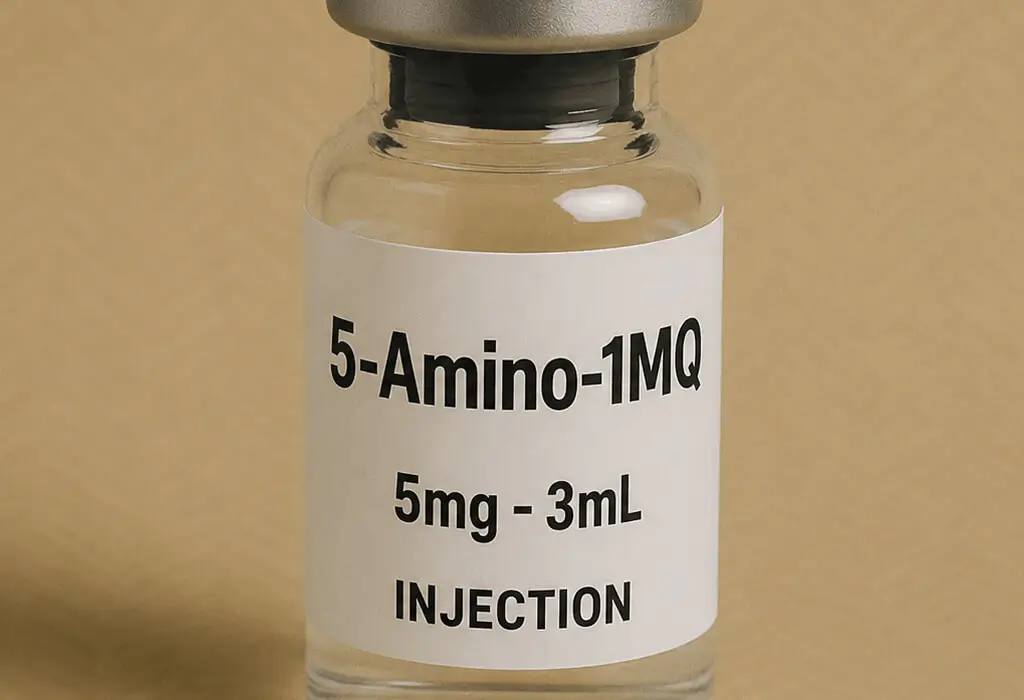
5-Amino-1MQ has specific FDA compounding considerations that clinics may want to understand before pharmacy-specific discussions. Review its substance identity, available documentation, and current regulatory context for licensed U.S. healthcare organizations.
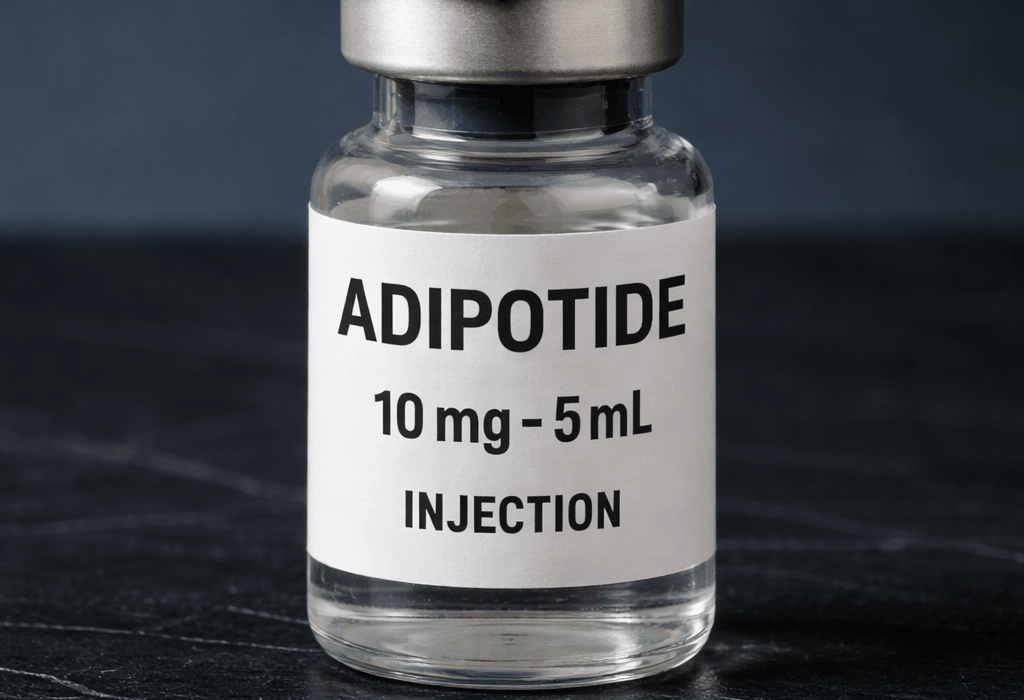
Adipotide is an investigational peptide with limited human clinical evidence. Review its research status, substance identity, and regulatory considerations relevant to professional evaluation by licensed healthcare organizations.
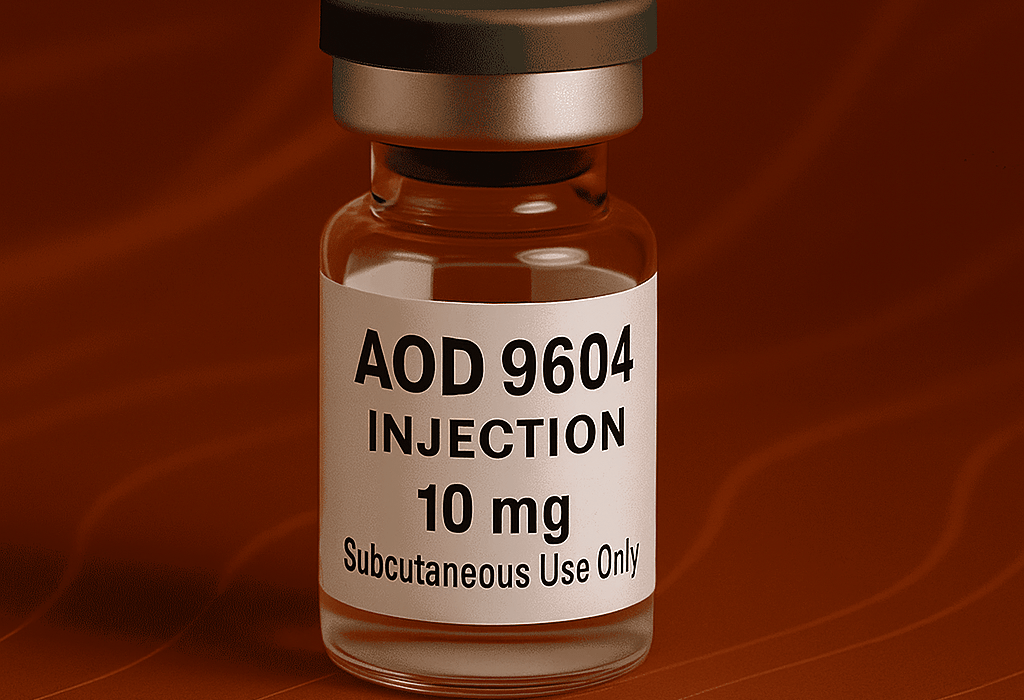
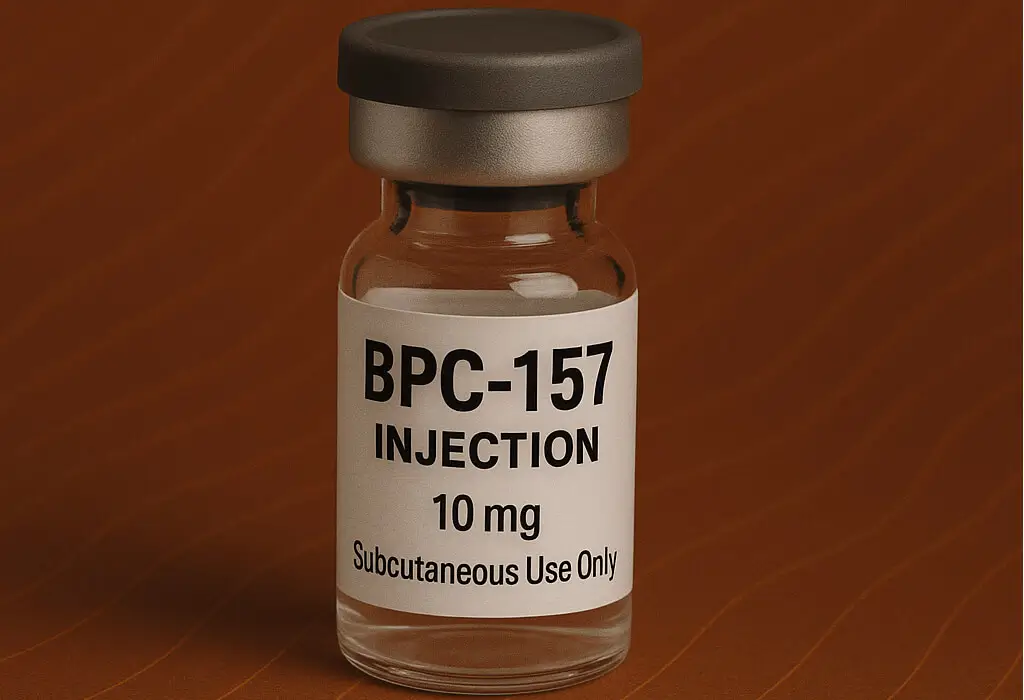
AOD-9604 has been specifically evaluated by FDA in connection with pharmacy compounding. Review its substance identity, FDA’s published compounding considerations, and current regulatory context relevant to licensed healthcare organizations.
BPC-157 has received specific FDA attention in the context of pharmacy compounding and safety review. Explore its substance identity, FDA-published safety considerations, and current regulatory context relevant to licensed healthcare organizations.
Combination preparations labeled BPC-157 + TB-500 bring together two peptide substances that FDA has evaluated separately in the pharmacy-compounding context. Review component identity, FDA-published safety information, and current regulatory considerations relevant to professional review.
CJC-1295 + Ipamorelin combines two distinct peptide substances with separate FDA compounding and safety considerations. Review the identity of each component, relevant FDA-published information, and the regulatory context applicable to professional review.
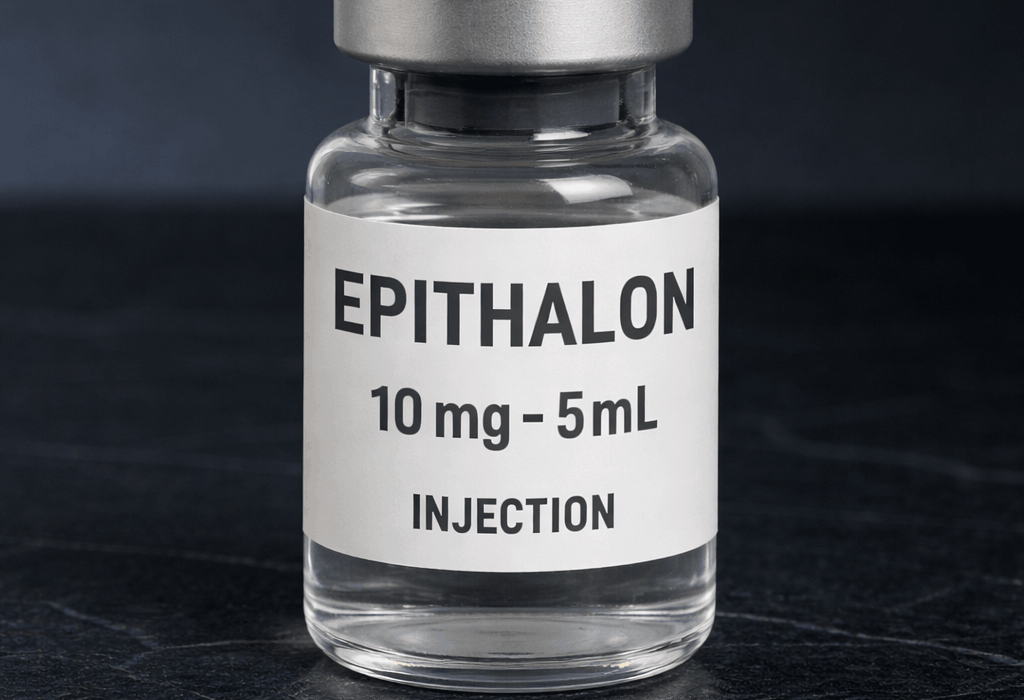
Epithalon, also known as Epitalon, has been reviewed by FDA in connection with section 503A pharmacy compounding. Explore its substance identity, current FDA review status, and published safety considerations relevant to licensed healthcare organizations.
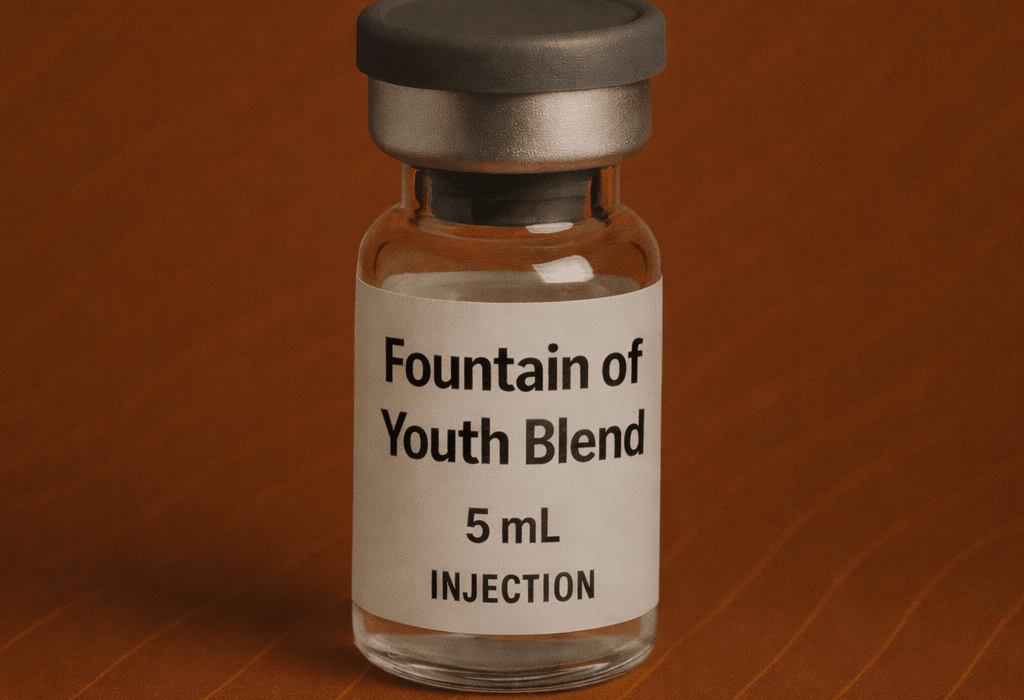
“Fountain of Youth” is a nonstandard marketing label that may refer to different formulations depending on the source. Review the listed ingredients, formulation details, and available documentation before drawing conclusions about the identity or regulatory status of a specific preparation.
GHK-Cu has route-specific FDA compounding considerations. Review the distinction between injectable and non-injectable routes, current 503A status, and FDA-published information relevant to licensed healthcare organizations.

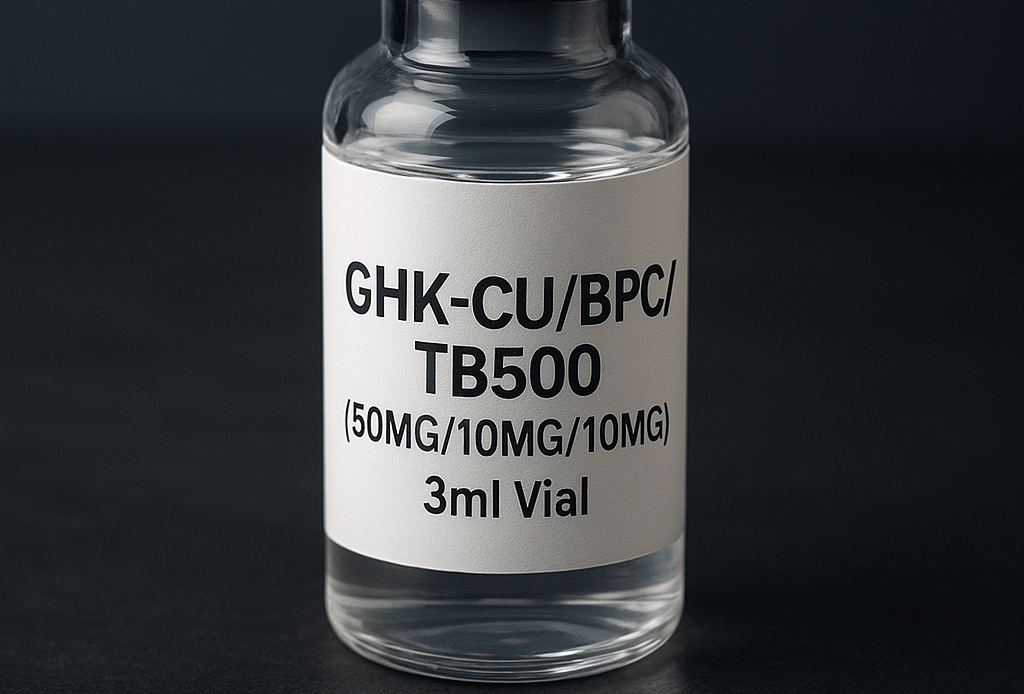
“GLOW” is a nonstandard name used for combination preparations containing GHK-Cu, BPC-157, and TB-500. Review the individual components, formulation details, and component-specific FDA compounding information relevant to professional evaluation.

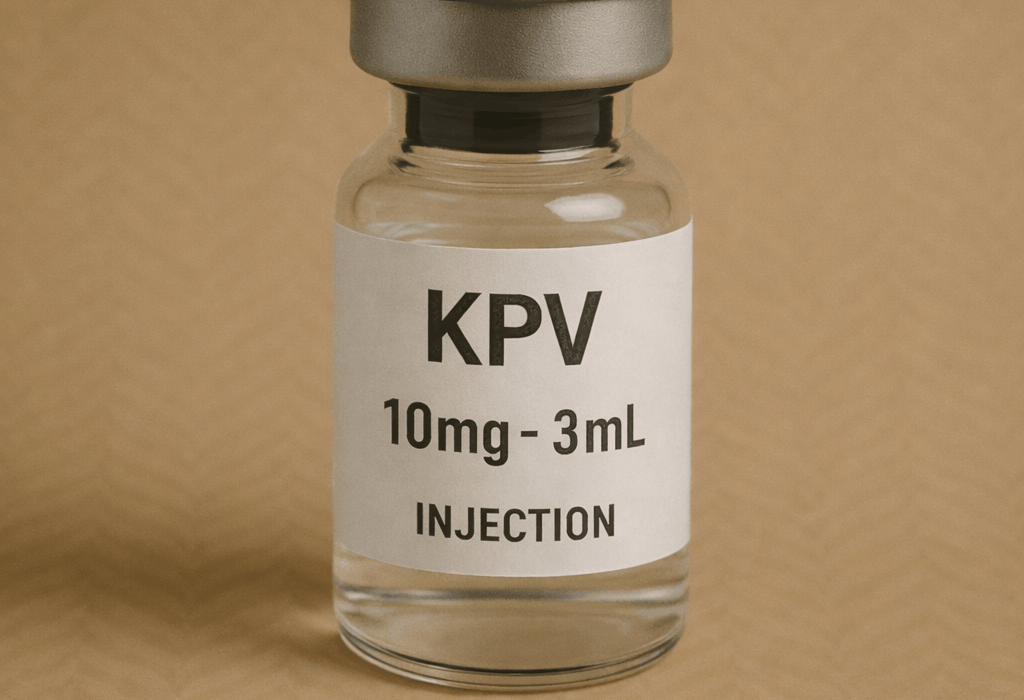
KPV has been evaluated by FDA in connection with section 503A pharmacy compounding. Review its substance identity, FDA-published safety information, and current regulatory status relevant to professional review by licensed healthcare organizations.
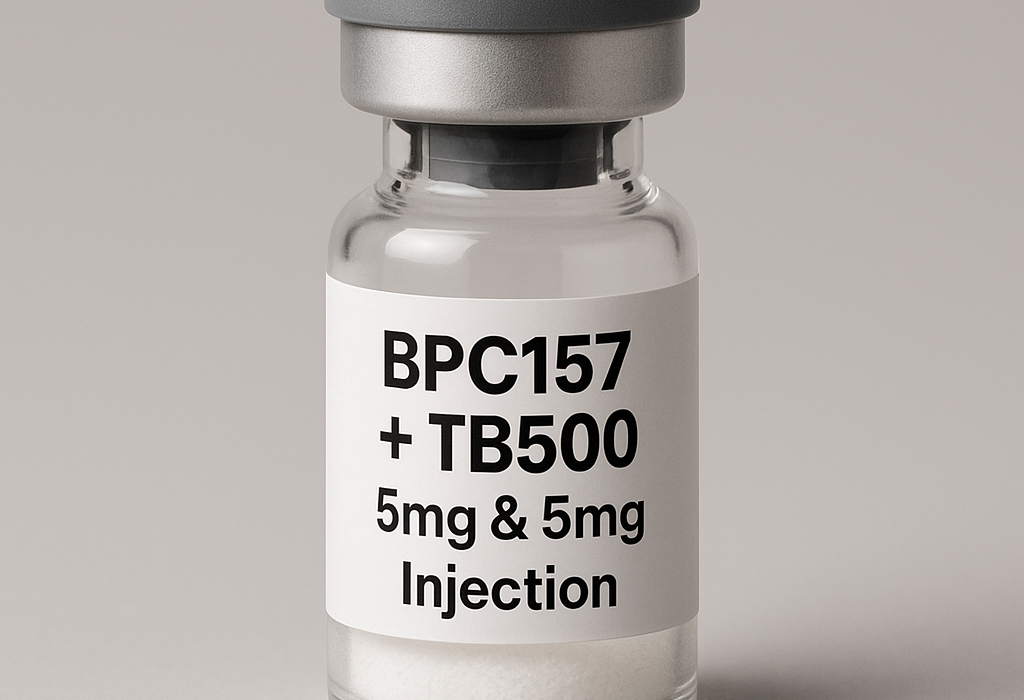
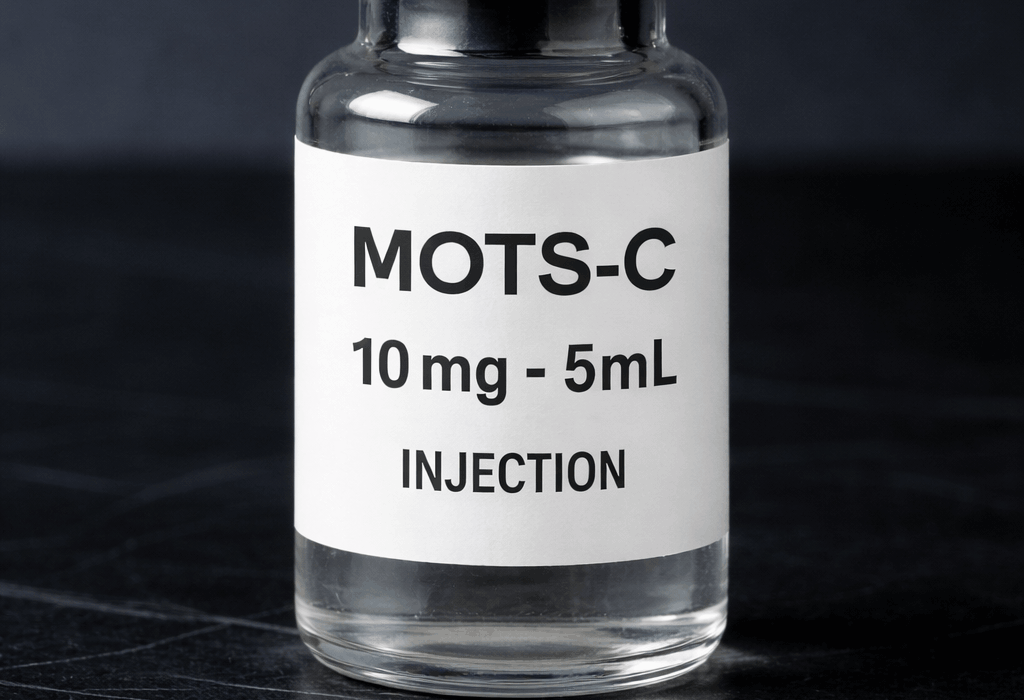
MOTS-C has been reviewed by FDA in connection with section 503A pharmacy compounding. Explore its substance identity, FDA-published safety information, and current regulatory status relevant to professional review by licensed healthcare organizations.
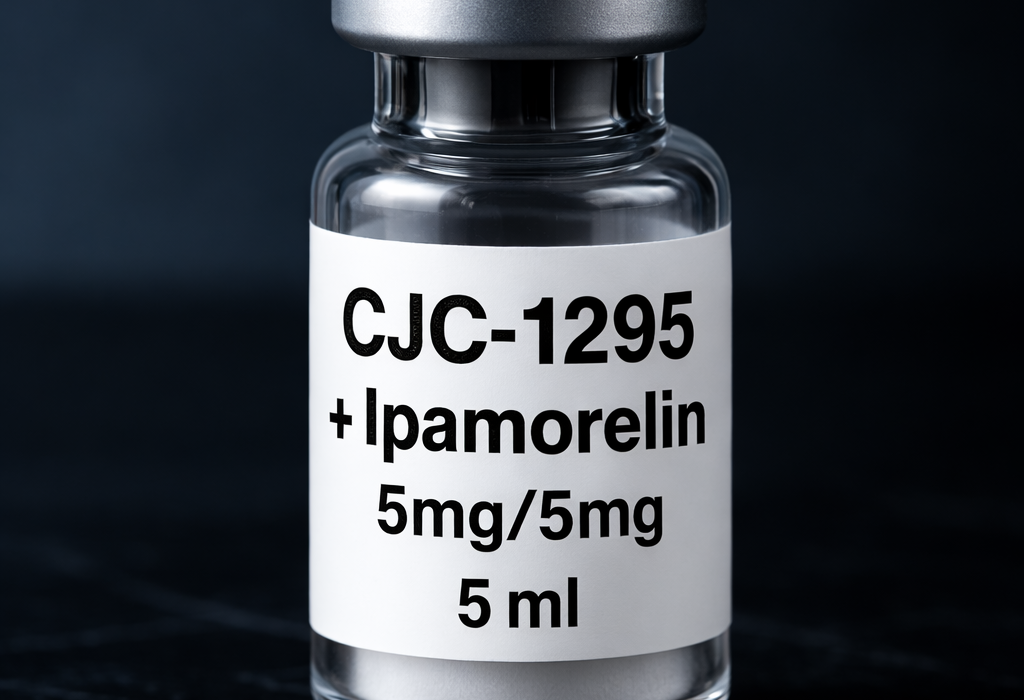
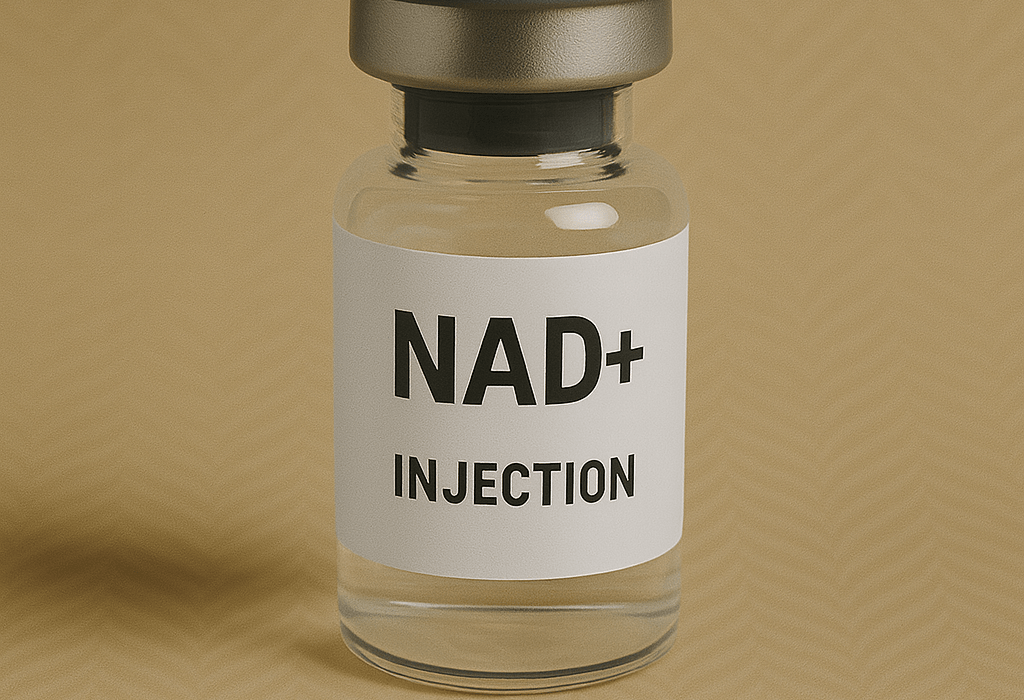
NAD currently appears in FDA’s 503A Category 1 of bulk drug substances under evaluation. Review the 1000 mg formulation designation, current 503A status, and documentation considerations relevant to licensed healthcare organizations.
Oxytocin may be encountered as an FDA-approved drug product or in other pharmacy-prepared forms, making product identity important. Review formulation distinctions, labeling information, and regulatory context relevant to licensed healthcare organizations.
Pregnyl is a branded chorionic gonadotropin prescription product with a distinct FDA regulatory identity. Review product identification, labeling information, and distinctions between Pregnyl and other chorionic gonadotropin preparations relevant to licensed healthcare organizations.

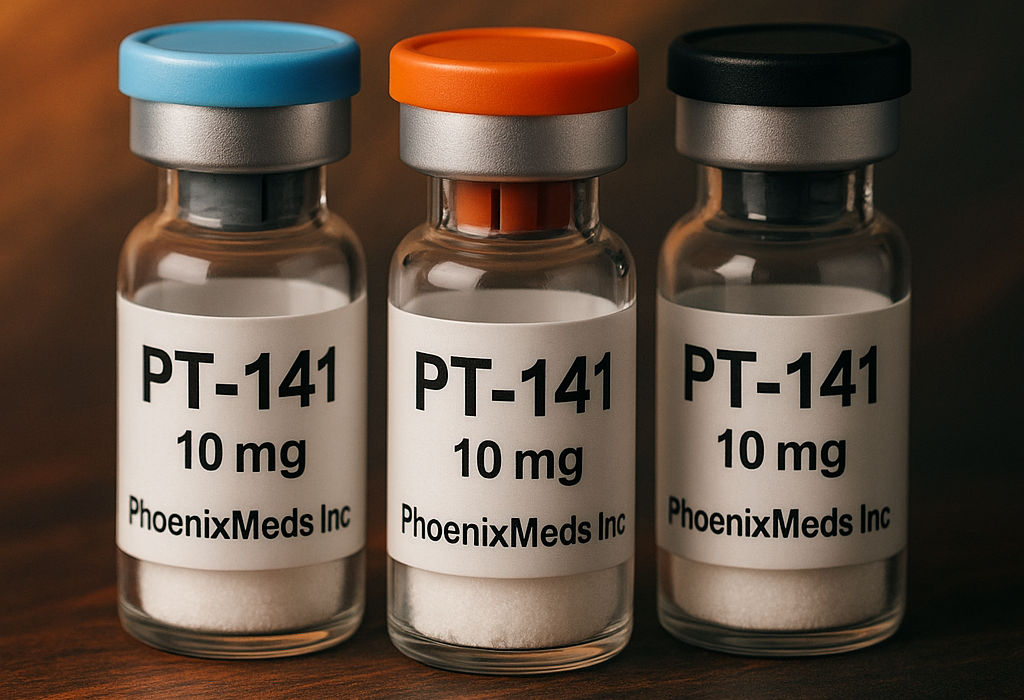
PT-141 is commonly associated with bremelanotide, but product identity matters when reviewing a specific preparation. Explore the distinction between bremelanotide as a drug substance, FDA-approved product labeling, and other preparations described as PT-141.
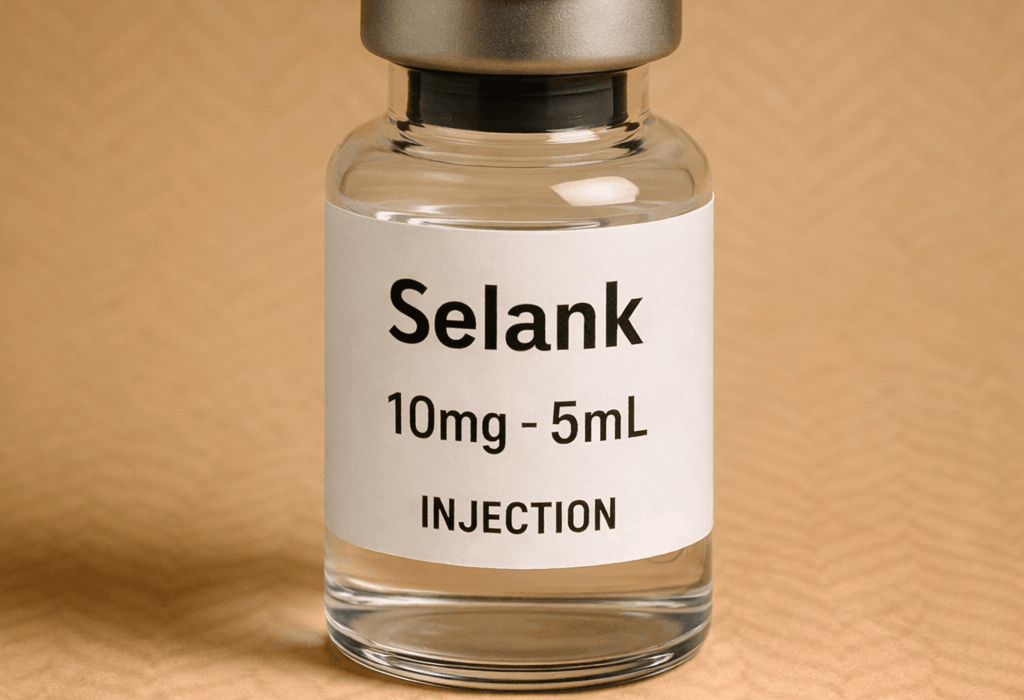
Selank is a peptide substance with limited human safety information in FDA’s current compounding materials. Review its substance identity, FDA-published safety considerations, and regulatory context relevant to professional evaluation by licensed healthcare organizations.
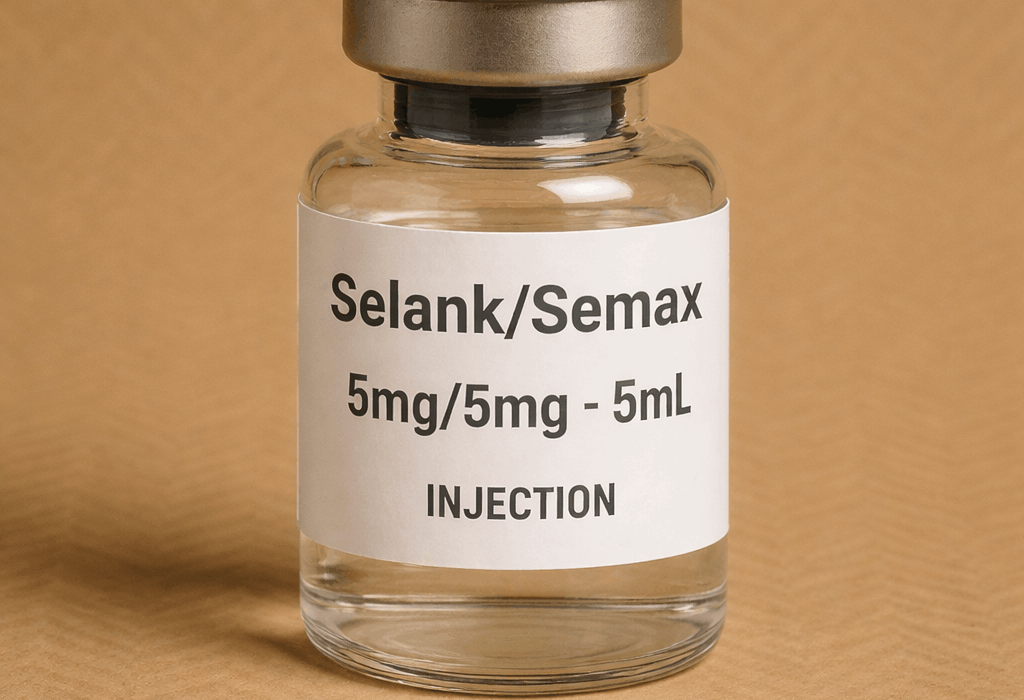
Selank + Semax refers to combination preparations containing two distinct peptide substances with separate FDA compounding considerations. Review the identity of each component, FDA-published information, and the regulatory context relevant to professional evaluation.
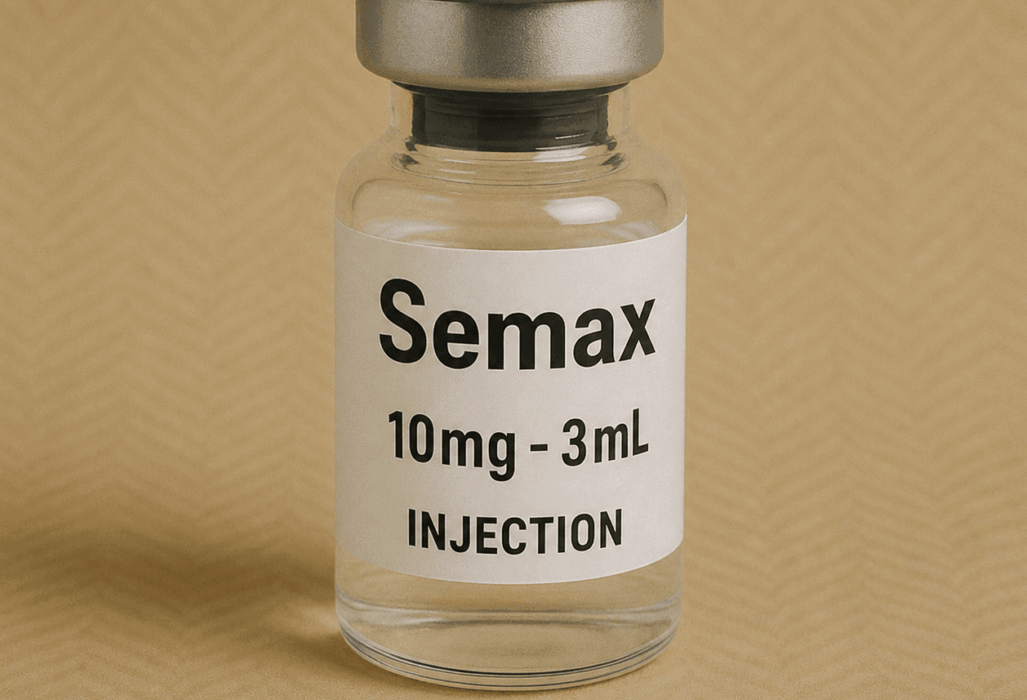
Semax has undergone FDA review in connection with section 503A pharmacy compounding. Review its substance identity, FDA’s 2026 evaluation, and current regulatory context relevant to professional review by licensed healthcare organizations.
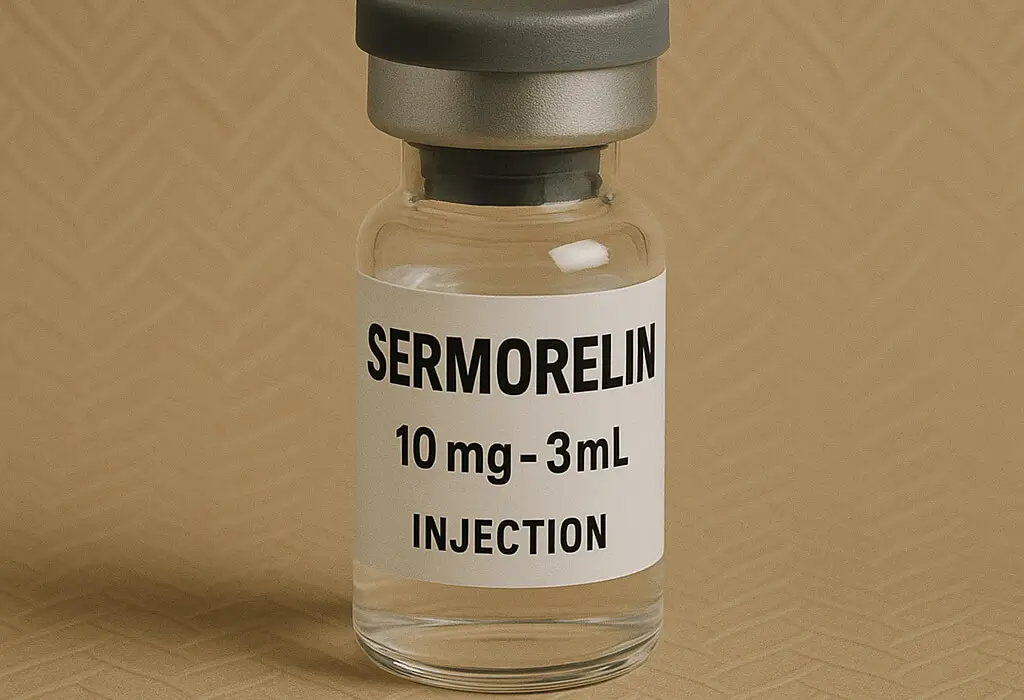
Sermorelin has a distinct regulatory history: Geref (sermorelin acetate) was previously FDA-approved and was later discontinued for reasons other than safety or effectiveness. Review that history and the distinction between the former approved product and other sermorelin preparations.
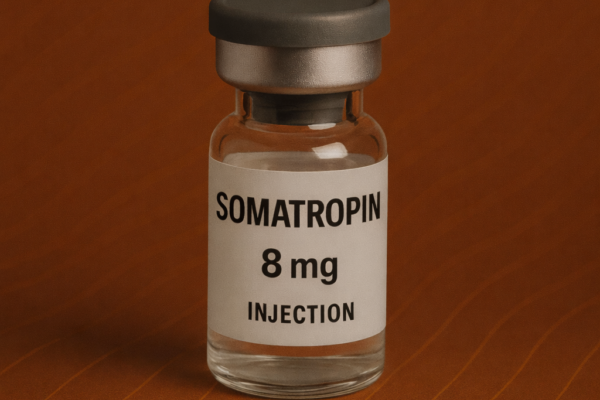
Somatropin is the proper name used for several FDA-licensed biological products, making product identity and labeling especially important. Review approved-product distinctions, formulation information, and regulatory context relevant to licensed healthcare organizations.
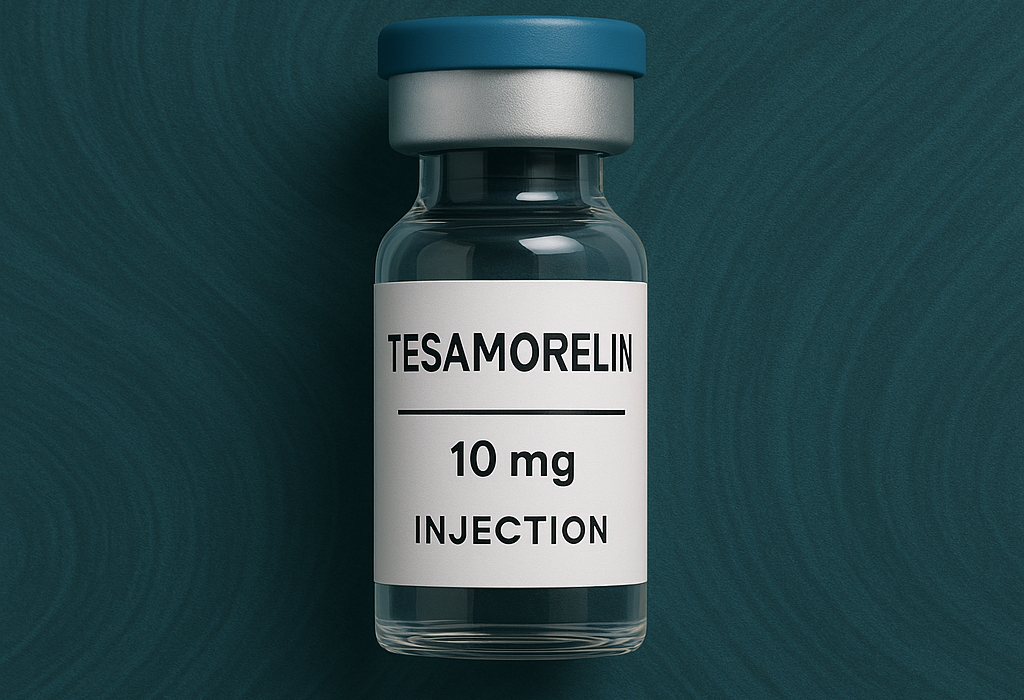
Tesamorelin is the proper name of an FDA-licensed biological product, making product identity and regulatory status especially important. Review FDA-licensed product distinctions, formulation information, and considerations relevant to licensed healthcare organizations.
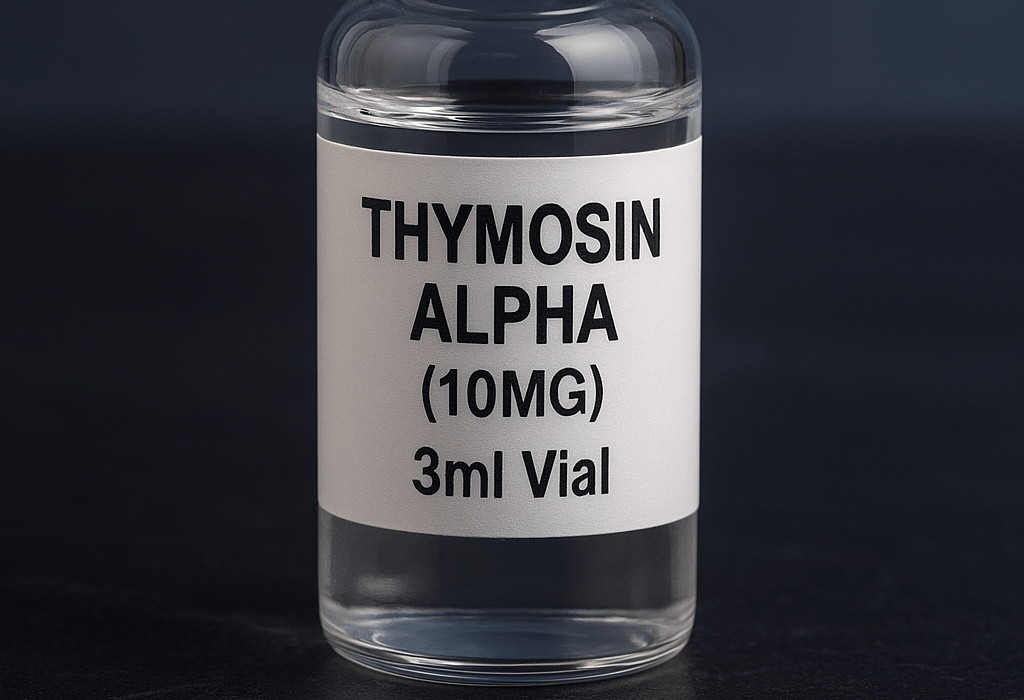
Thymosin Alpha-1 (Ta1) has received specific FDA review in the pharmacy-compounding context. Review its substance identity, FDA-published safety considerations, and the regulatory distinctions relevant to licensed healthcare organizations.
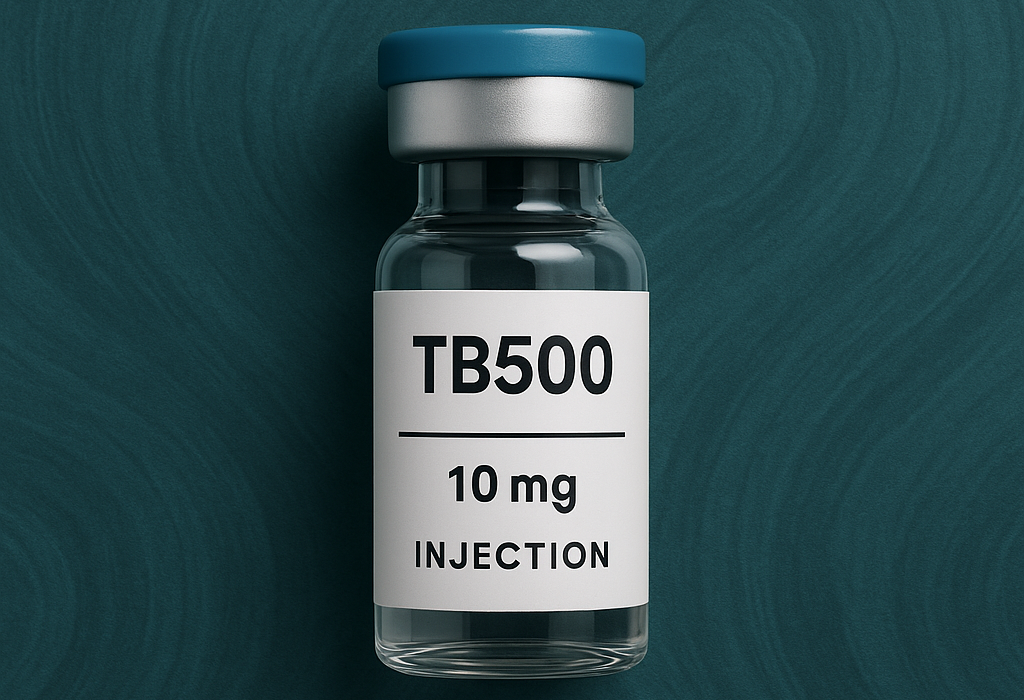
TB-500 has undergone FDA review in connection with section 503A pharmacy compounding. Review its substance identity, FDA’s 2026 evaluation, published safety considerations, and current regulatory context relevant to licensed healthcare organizations.
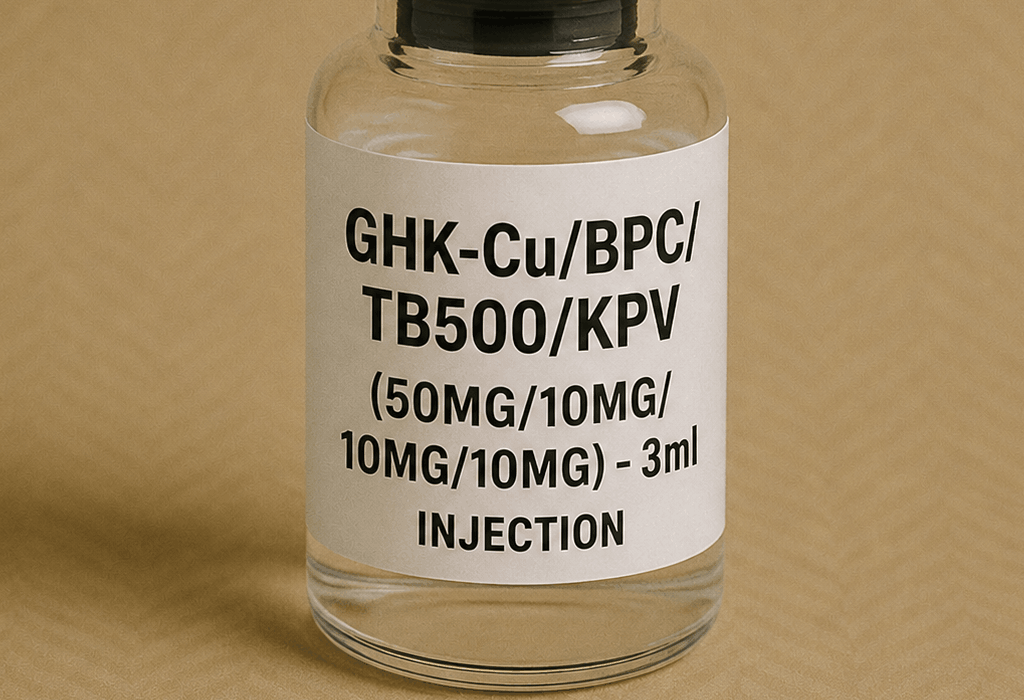
On this site, KLOW refers to a multi-component preparation containing GHK-Cu, BPC-157, TB-500, and KPV. Review the identity of each component, formulation details, and component-specific FDA compounding information relevant to professional evaluation.
IV infusion kits can differ in components, packaging, labeling, and supporting documentation. Review kit specifications and supply information relevant to licensed healthcare organizations and clinic operations.
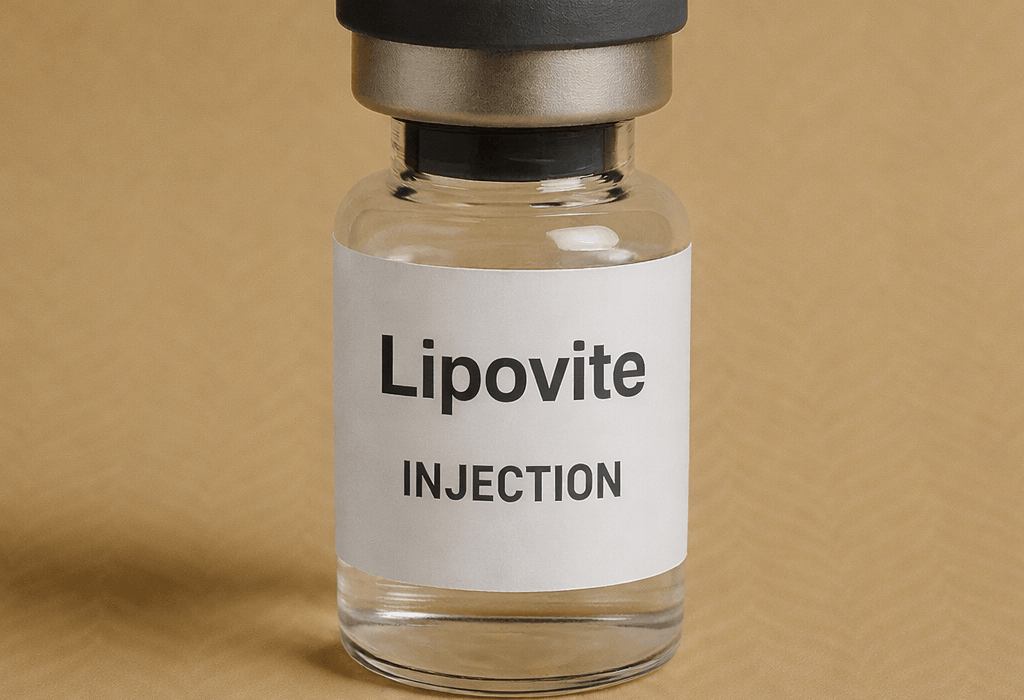
Lipovite refers to an MIC + B12 compounded formulation containing methionine, inositol, choline, and vitamin B12, with formulation details depending on the specific preparation. Review ingredient identity, labeling, and pharmacy-provided documentation relevant to licensed healthcare organizations.
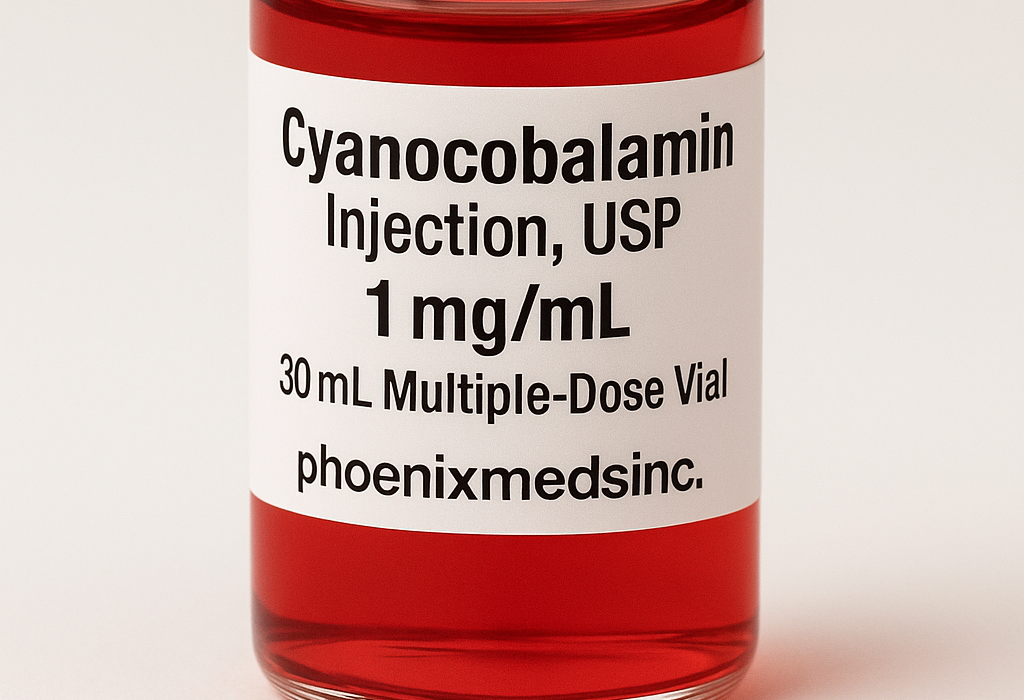
Cyanocobalamin is a form of vitamin B12 used in FDA-approved drug products as well as other preparations. Review product identity, formulation and labeling distinctions, and documentation relevant to licensed healthcare organizations.
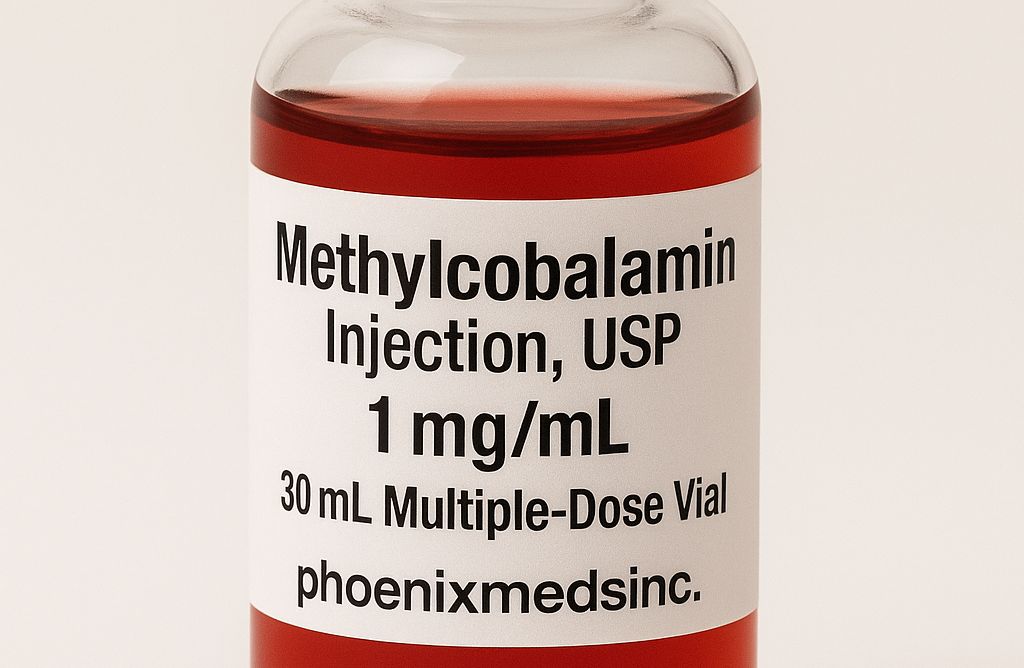
Methylcobalamin is a form of vitamin B12 with a different U.S. regulatory history from cyanocobalamin. Review its substance identity, formulation distinctions, and FDA compounding context relevant to licensed healthcare organizations.
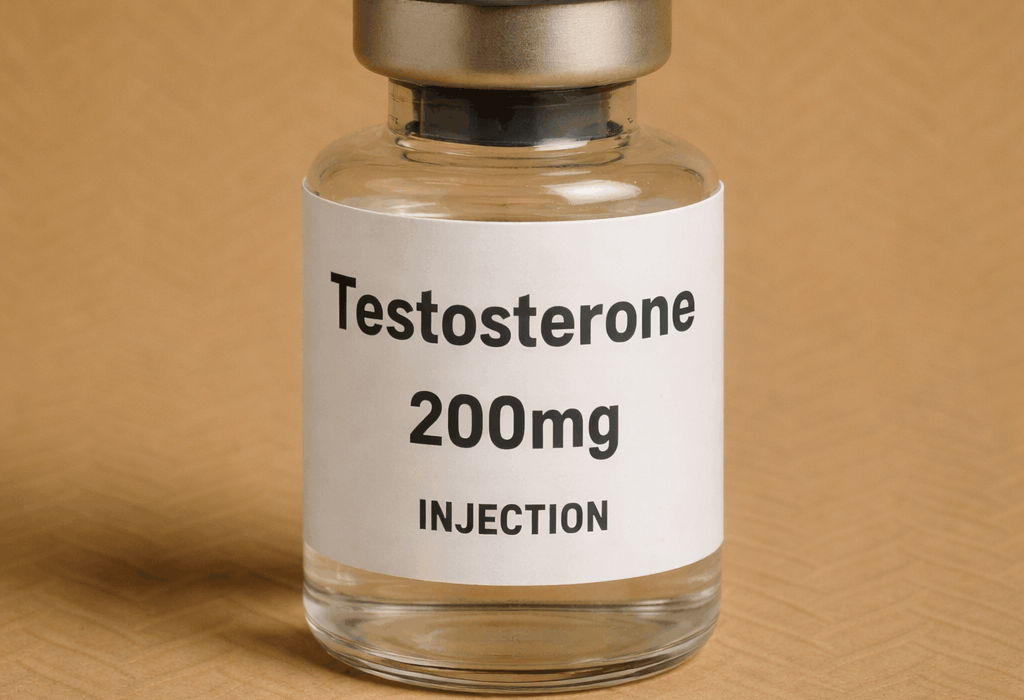
Testosterone is used in multiple FDA-approved prescription drug products and dosage forms. Review product identity, formulation and labeling distinctions, and regulatory information relevant to licensed healthcare organizations.

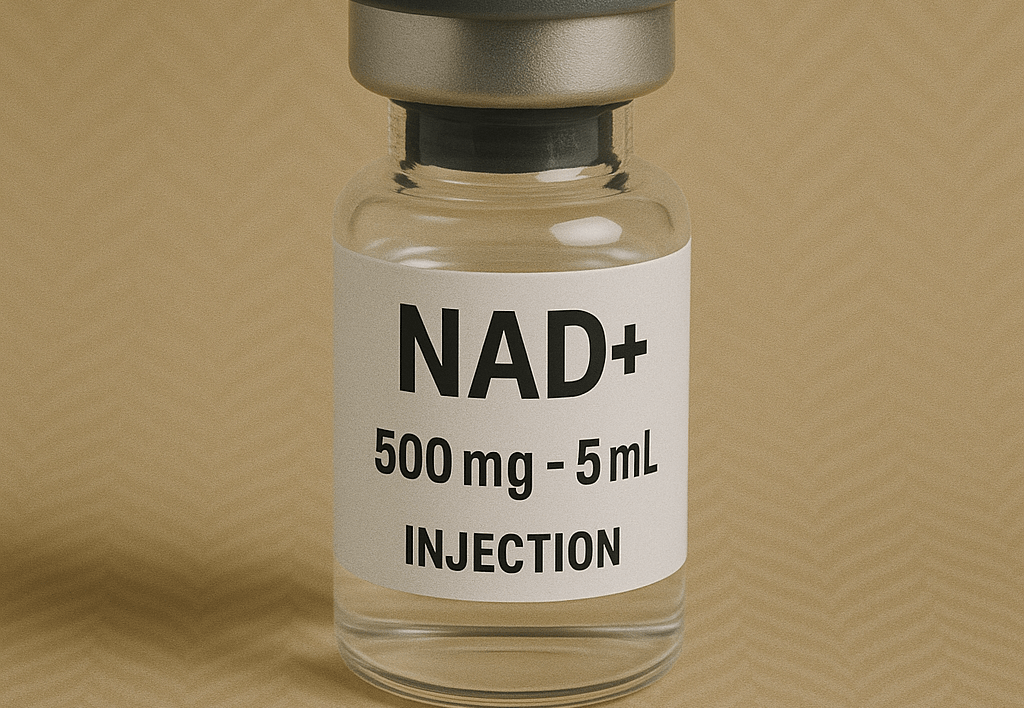
NAD+ 500 mg

NAD+ 500 mg is a coenzyme referenced across biological and scientific contexts, with procurement typically managed within regulated clinical supply frameworks. Sourcing often requires coordination with licensed partners to ensure compliance and documentation standards. Phoenix Meds Inc., facilitates procurement workflows by connecting healthcare professionals with verified partners.

Medication & Formulation Coordination by Category

Phoenix Meds helps licensed U.S. clinics manage the administrative work involved in pharmacy coordination. The categories below organize medication and formulation topics relevant to healthcare organizations and provide a direct path to the corresponding clinic information pages. Our support may include clinic verification, organization of available documentation, publicly available regulatory information, and administrative communication with independent licensed pharmacies. Inclusion in this directory does not establish product availability, FDA approval, compounding eligibility, or clinical appropriateness.
Category Medications & Preparations What Clinics Can Review
Specialty Peptide Preparations AOD-9604, Adipotide, MOTS-C, 5-Amino-1MQ Substance identity, formulation information, FDA-published information, and current regulatory considerations.
Peptide & Combination Preparations BPC-157, TB-500, BPC-157 + TB-500, GHK-Cu, GLOW, KLOW, KPV, Epithalon, “Fountain of Youth,” Thymosin Alpha-1 Component identity, route and formulation distinctions, supporting documentation, and relevant regulatory information.
Hormone & Endocrine Product Information CJC-1295 + Ipamorelin, Sermorelin, Tesamorelin, Somatropin, Pregnyl Product identity, formulation and labeling distinctions, documentation, and regulatory context relevant to licensed clinics.
NAD+ & Nutrient Preparations NAD+, Cyanocobalamin, Methylcobalamin, Lipovite Formulation identity, ingredient or product distinctions, labeling, documentation, and current regulatory information.
Other Specialty Products & Preparations PT-141 / Bremelanotide, Selank, Semax, Selank + Semax, Oxytocin Substance or product identity, formulation distinctions, available documentation, and relevant regulatory context.
Clinic Supplies IV Infusion Kits Kit components, specifications, packaging, labeling, and supporting supply documentation.

Clinic Guides & Professional Resources

Explore clinic-facing guides covering peptide and specialty medication information, formulation considerations, regulatory developments, and topics relevant to licensed healthcare organizations.

a) Peptide & Specialty Preparation Guides
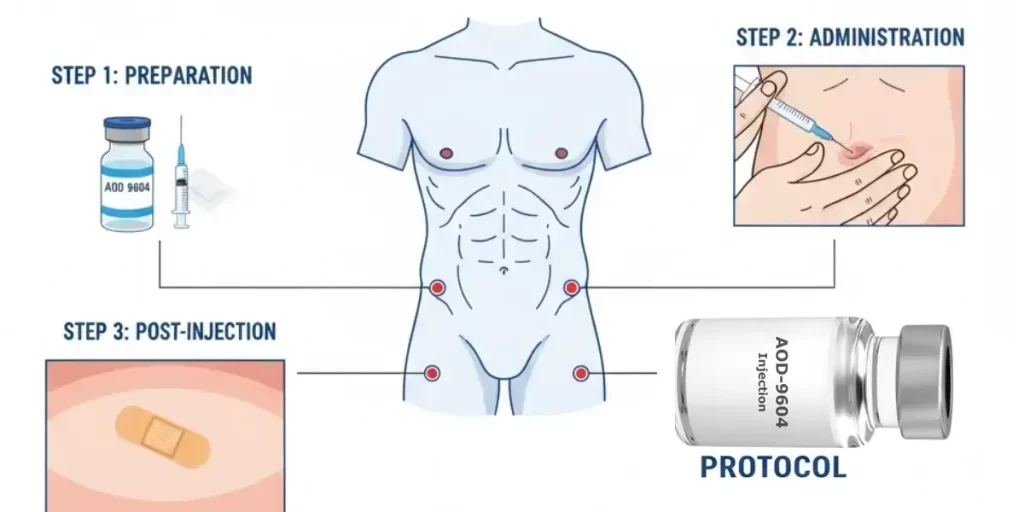
b) Peptide Formulation Guides
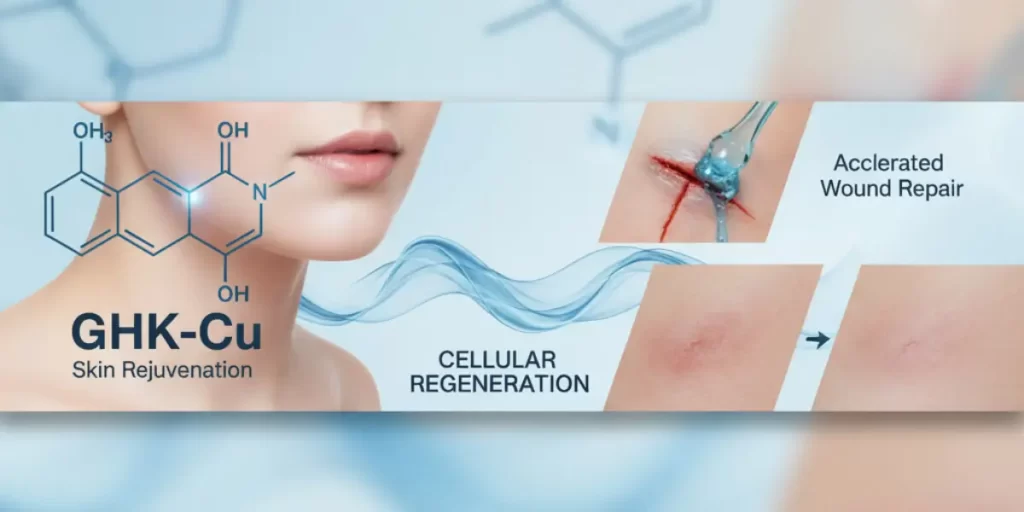
c) Hormone & Peptide Information
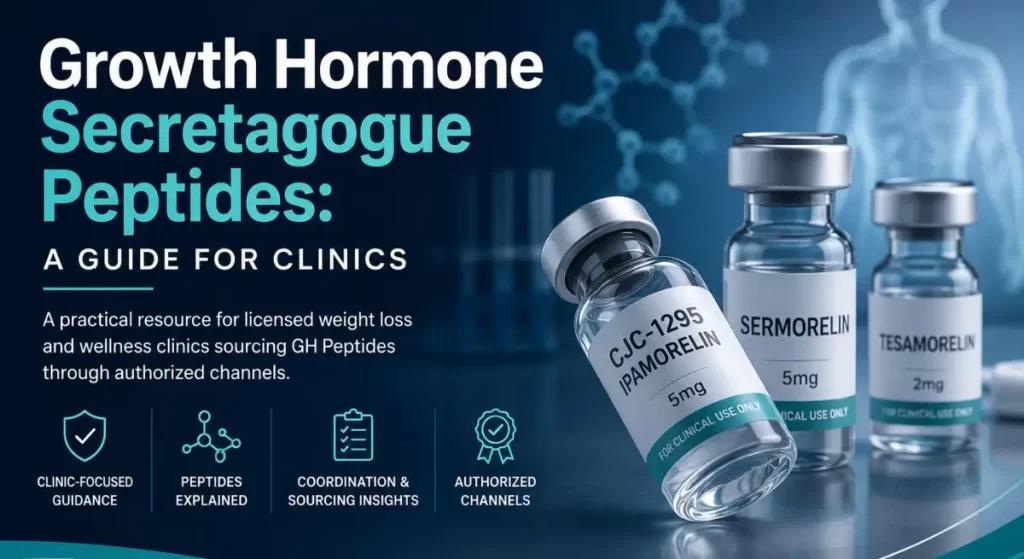
d) Cognitive & Neuro Peptide Therapies

Need Help With Clinic-Pharmacy Coordination?

Phoenix Meds helps licensed U.S. clinics manage the administrative steps involved in connecting and communicating with independent licensed pharmacies. Whether your team needs help with clinic verification, documentation organization, pharmacy information, or administrative follow-up, our coordination team can help keep the process organized.

Frequently Asked Questions

Phoenix Meds provides administrative support for licensed U.S. healthcare organizations, including clinic credential verification, documentation organization, access to publicly available regulatory information, and communication with independent licensed pharmacies.

Phoenix Meds does not manufacture, compound, prescribe, dispense, sell, or ship medications.

Phoenix Meds can help organize information supplied by participating pharmacies or other licensed entities, such as available licensing information, formulation details, labeling, and supporting records. We do not independently test preparations or certify their purity, potency, sterility, quality, safety, or regulatory compliance.
No. Sections 503A and 503B establish different frameworks. Section 503A generally involves compounding by qualifying state-licensed pharmacies or physicians under conditions that typically include an identified individual patient and a valid prescription. Section 503B applies to FDA-registered outsourcing facilities, which may or may not obtain patient-specific prescriptions and are subject to separate requirements.
No. FDA states that 503B registration means the facility has submitted the required registration information. Registration does not mean its compounded drugs are FDA-approved, nor does it establish that the facility or every preparation satisfies all applicable 503B or CGMP requirements.
No. Product-specific compounding, prescribing, dispensing, and regulatory determinations remain with the appropriately licensed professionals and entities responsible for those activities. Phoenix Meds provides administrative coordination and does not determine product availability, compounding eligibility, or clinical appropriateness.
The process begins with clinic credential verification. Phoenix Meds can then help organize available documentation and support administrative communication with independent licensed pharmacies. Clinical, pharmaceutical, dispensing, shipping, and other regulated medication activities remain with the licensed parties responsible for them.

Coordination & Regulatory Considerations:

Phoenix Meds Inc. provides administrative coordination for licensed U.S. healthcare organizations communicating with independent licensed pharmacies and other appropriately authorized entities. Depending on the circumstances, clinics may work with state-licensed pharmacies operating under section 503A or FDA-registered outsourcing facilities under section 503B. These are separate pathways with different requirements, and a pharmacy’s licensure or an outsourcing facility’s registration does not by itself establish that a particular preparation qualifies under the applicable pathway.

Whether a specific medication or compounded preparation may be prescribed, compounded, dispensed, distributed, or administered depends on the product, formulation, route, prescription requirements, and applicable federal and state requirements. Those determinations remain with the licensed clinical and pharmaceutical parties responsible for them. Before requesting administrative coordination, clinics may review our Shipping States page for geographic information relevant to participating pharmacy relationships.

Scroll to Top

Thank You!

Your order has been placed successfully.

Order Number #14327
Date May 19, 2025
Payment Method Credit Card (Stripe)
Please look out for an email from FedEx when your order ships.
Continue Shopping  ›